Managing pests in an apartment building presents a very different challenge from that of a single-family home. In an environment where several occupants share the same walls, ceilings, floors, conduits, and common areas, an infestation can quickly spread from one unit to another.
Whether you are a building owner, property manager, co-owner, or member of a condominium association, certain mistakes can turn a minor problem into a major, costly, and difficult-to-control infestation.
Here are the most common mistakes in multi-unit pest management and how to avoid them.
Why Multi-Unit Buildings Are More Vulnerable to Infestations
Residential buildings often provide ideal conditions for several pest species:
- Multiple food sources;
- Constant presence of moisture;
- Numerous entry points;
- Frequent movement of people and belongings;
- Technical spaces that are difficult to access.
Mice, rats, German cockroaches, bed bugs, ants, and other pests easily take advantage of these conditions to settle in and spread.
Mistake #1: Waiting Before Acting
One of the costliest mistakes is waiting until an infestation becomes visible in multiple units before taking action.
A single report may already indicate a more significant problem.
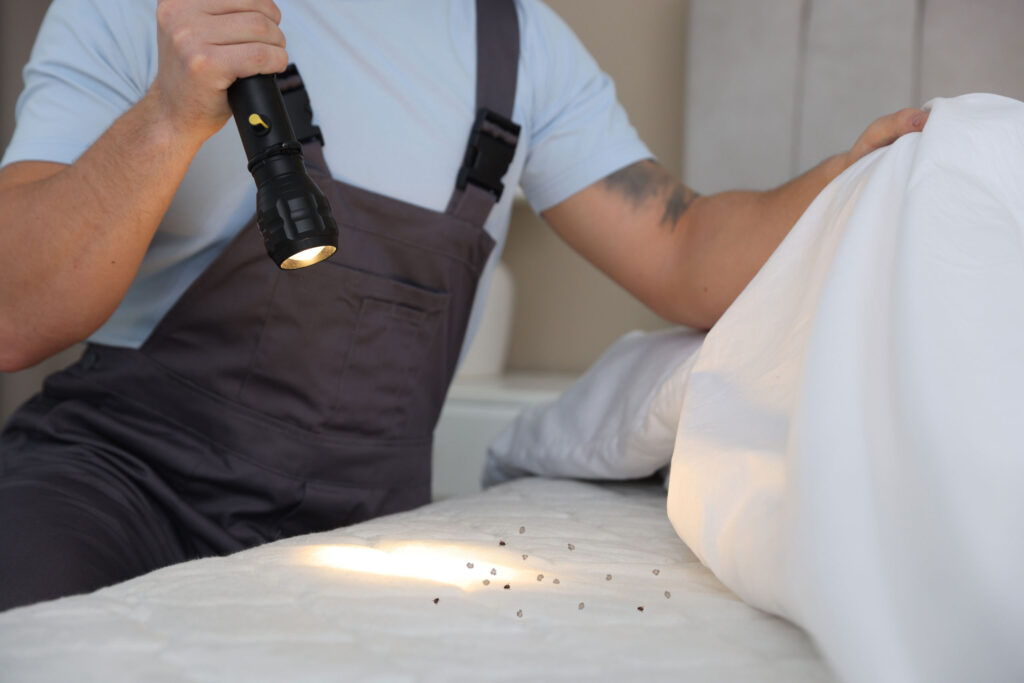
For example, when a tenant spots a cockroach in their kitchen, it is possible that several other insects are already present in the walls or neighbouring units. The same applies to bed bugs, which can move from one apartment to another without being detected for several weeks.
A rapid intervention generally makes it possible to:
- Limit the spread;
- Reduce treatment costs;
- Preserve tenant satisfaction;
- Avoid more complex interventions.
Mistake #2: Treating Only the Affected Unit
In a multi-unit building, pests do not respect boundaries between units.
Treating only the unit where the problem was reported may leave a significant portion of the infestation active elsewhere in the building.
Cockroaches, bed bugs, and rodents often use:
- Shared walls;
- Plumbing passages;
- Electrical conduits;
- Suspended ceilings;
- Mechanical spaces.
A complete inspection of adjacent units is often essential to eliminate the problem at its source.
Mistake #3: Using Improvised Treatments
When a tenant attempts to resolve a problem on their own with store-bought products, this can sometimes worsen the situation.
Certain species react to insecticides by dispersing further throughout the building.
This is particularly common with:
- German cockroaches;
- Bed bugs;
- Certain ant species.
Instead of resolving the problem, the insects migrate to other units and make treatment more difficult.
Mistake #4: Neglecting Communication with Occupants
The success of a treatment often depends on the collaboration of residents.
Poor communication can lead to:
- Unprepared units;
- Missed appointments;
- Incomplete treatments;
- Rapid reappearance of pests.
Occupants must be clearly informed of:
- Steps to take before the intervention;
- Areas to clear;
- Products being used when required;
- Follow-up steps.
Proactive communication considerably reduces the risk of treatment failure.
Mistake #5: Ignoring the Root Causes
Extermination is only part of the solution.
If the conditions that promote infestations remain present, pests are likely to return.
Common causes include:
Moisture Problems
Plumbing leaks, condensation, or poor ventilation attract several insects and promote their development.
Openings and Cracks
Rodents and insects exploit the smallest openings to enter the building.
Waste Management
Poorly maintained containers or waste accumulated near the building attract many pests.
Insufficient Preventive Maintenance
The absence of regular inspections often allows infestations to progress undetected.
Mistake #6: Failing to Implement a Preventive Program
Too often, pest management is purely reactive.
Action is taken when a problem arises, but no measures are put in place to prevent future infestations.
Yet multi-unit buildings benefit greatly from a prevention program that includes:
- Periodic inspections;
- Sealing of entry points;
- Monitoring of common areas;
- Assessment of at-risk zones;
- Maintenance recommendations.
This approach helps reduce emergency interventions and long-term costs.
The Most Common Pests in Multi-Unit Buildings
German Cockroaches
Among the most common infestations in residential buildings, they reproduce quickly and move easily between units.
Bed Bugs
Often introduced during travel, the purchase of used furniture, or moving, they can quickly affect multiple units.
Mice
They take advantage of technical spaces and openings to move throughout the entire building.
Ants
Certain species, particularly carpenter ants, can cause significant damage when they settle in wood structures.
A Professional Approach Makes All the Difference
Pest management in a multi-unit building requires a comprehensive view of the entire building. Each intervention must take into account the structure, the possible movement of pests, and the reality of the occupants.
At Maranda Pest Control, we support building owners, property managers, and condominium associations in the prevention, inspection, and control of multi-unit infestations throughout the Outaouais region and the Ottawa area.
Need an Inspection or a Prevention Plan?
Our team can assess your building, identify risk factors, and put in place lasting solutions tailored to your situation.